

How Much Does a Landscape Project Actually Cost?

A landscape budget includes more than plants and patios. It covers the planning, materials, labor, and details needed to create a space that looks good and lasts.
-
Professional design helps turn your ideas into a clear plan. This can include layout ideas, material selections, planting plans, lighting concepts, and construction drawings. A strong design helps solve problems before construction begins, such as drainage, traffic flow, privacy, and how each part of the yard will work together.
-
Hardscape includes patios, walkways, retaining walls, steps, outdoor kitchens, fire features, pergolas, and pool areas. This is often one of the largest parts of the budget because it requires quality materials, proper installation, grading, and drainage.
-
Planting includes trees, shrubs, perennials, grasses, groundcovers, mulch, and soil preparation. Good plant choices add beauty, privacy, shade, color, and texture. Professional planting also helps make sure each plant is placed where it can grow successfully.
-
Drainage and grading are important for protecting your home and landscape. This work helps move water away from the house, prevents standing water, protects patios, and keeps plants healthy. Poor drainage can cause expensive problems later.
-
Landscape lighting makes your outdoor space safer, more useful, and more beautiful at night. Lighting can highlight trees, walkways, steps, patios, and architectural features. A well-designed system feels natural and adds a finished look to the property.
-
Irrigation helps keep lawns and plantings healthy without constant hand watering. The cost depends on the size of the property, the number of planting areas, and the complexity of the system.
-
Before new work can begin, old patios, plants, trees, decks, or other features may need to be removed. Site preparation can also include hauling, cleanup, soil work, and making sure equipment can access the work area.
-
Some projects require permits or engineering, especially for retaining walls, structures, electrical work, gas lines, pools, or major grading. Planning for these items early helps avoid delays.
-
Landscape projects involve many moving parts. Materials, crews, schedules, subcontractors, and quality control all need to be managed. Professional project management helps keep the process organized and gives homeowners a clear point of contact.
-
It is smart to set aside an extra 10 to 15 percent of your budget for unexpected issues. Outdoor projects can uncover hidden problems such as poor soil, underground utilities, drainage issues, or material delays.
-
Your budget should also consider long-term care. Plants need watering, patios may need cleaning or sealing, irrigation systems need seasonal service, and lighting may need adjustments over time.
What Affects the Cost?
Every property is different, so every landscape budget is different. These are the biggest factors that influence cost.
Project Size
A small patio costs much less than a full backyard transformation with an outdoor kitchen, fire feature, lighting, planting, and a pool area. The more features you add, the more materials, labor, and planning are required.
Materials
Material choices can change the budget a lot. Concrete pavers are usually more affordable than natural stone. Composite decking costs more upfront than wood but usually requires less maintenance. Smaller trees cost less than mature specimen trees, but mature trees create instant impact. Higher-quality materials often cost more at first, but they can last longer and look better over time.
Site Conditions
Slopes, drainage problems, poor soil, tight access, existing structures, and tree protection can all add cost. A good site evaluation helps identify these issues early.
Design Detail
A detailed design may add cost upfront, but it can prevent expensive mistakes later. It helps make sure the layout, materials, drainage, lighting, and planting all work together.
Craftsmanship
Experienced landscape construction costs more, but it usually leads to better results. Proper installation matters. A patio should stay level, a wall should be built correctly, and plants should be installed in the right conditions.
Typical Landscape Budget Ranges
These ranges are general examples. Actual costs depend on your property, design, materials, and site conditions.
$25,000 to $50,000
This range may include a smaller patio, simple walkway, basic planting, minor lighting, or a small fire pit area. It is a good range for improving one specific area of the property.
$50,000 to $100,000
This range can create a more complete outdoor living space. It may include a larger patio, fire feature, upgraded planting, lighting, privacy screening, and better connections between the home and yard.
$100,000 to $250,000+
This range is for larger outdoor transformations. Projects may include outdoor kitchens, pergolas, pools, premium materials, extensive planting, lighting, irrigation, water features, and multiple outdoor living areas.
How to Set Your Landscape Budget

Start With Your Goals
Think about what you want the space to do. Do you want a place to entertain? More privacy? Better drainage? A pool area? A quiet garden? A better front entrance? Your goals should guide your budget.
Decide What Matters Most
Separate your must-haves from your nice-to-haves. Must-haves might include drainage work, a patio, privacy planting, or a fire feature. Nice-to-haves might include a larger outdoor kitchen, upgraded stone, or a water feature.
Look at Your Property Honestly
Walk your yard and look at what is already there. Ask yourself what should stay, what needs to be removed, and what problems need to be solved..
Consider Phasing
If your full vision is more than you want to spend right away, you can build it in phases. For example, phase one could include the patio and drainage. Phase two could add the outdoor kitchen, lighting, or additional planting. The key is to plan the full design from the beginning so each phase works together.
Ways to Use Your Budget
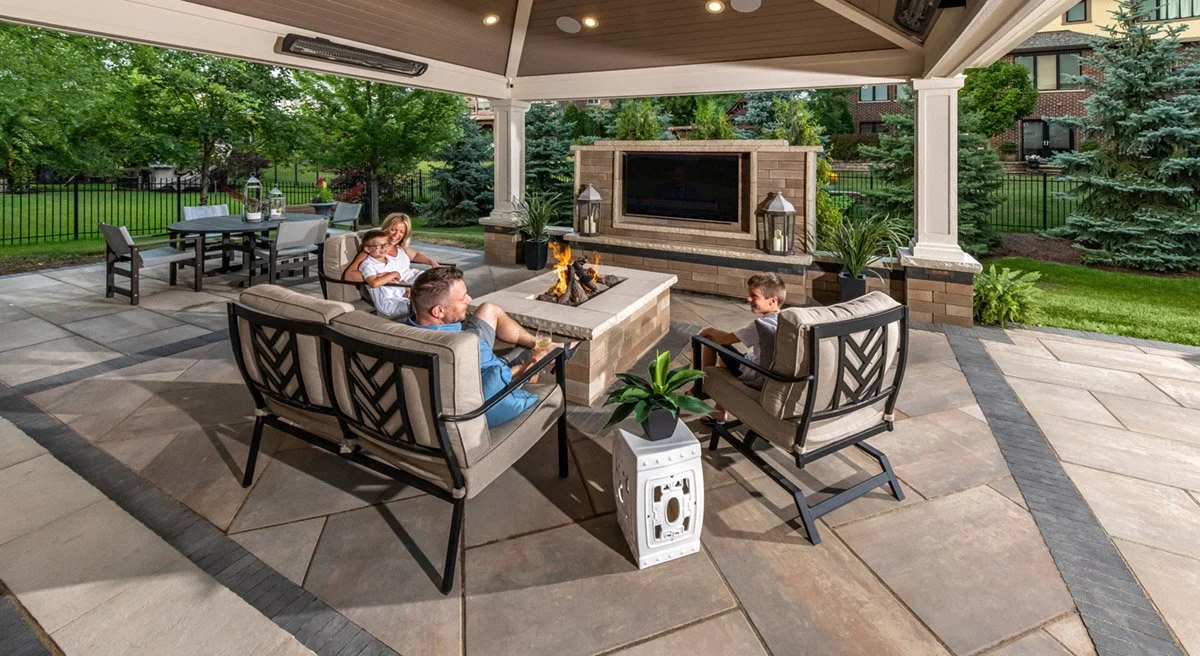
Different homeowners have different priorities. Your budget can be shaped around what matters most to you.
Hardscape-First
This puts more money toward patios, walkways, walls, and built features. It is best if your main goal is creating usable outdoor living space.
Balanced
This spreads the budget between hardscape, planting, lighting, and features. It is a good option if you want the space to feel complete from the start.
Garden-Focused
This puts more of the budget toward trees, shrubs, flowers, lawn, and natural areas. It is best for homeowners who care most about a lush, beautiful landscape.
Showcase
This focuses on premium features like outdoor kitchens, lighting, fire features, water features, automation, and high-end materials. It is best for homeowners who want a high-impact outdoor space for entertaining and relaxing.
Final Thoughts
A landscape project is a major investment, but the right plan makes the process easier. When you understand what affects cost, what is included in the budget, and how to prioritize your goals, you can make better decisions for your home.
At Robert Thomas Landscape Environments, we help homeowners plan and build outdoor spaces that are beautiful, functional, and made to last.
Ready to start planning your landscape project? Contact Robert Thomas Landscape Environments to schedule a consultation.
