

7 Spring Planting Tips to Set Your Landscape Up for Success
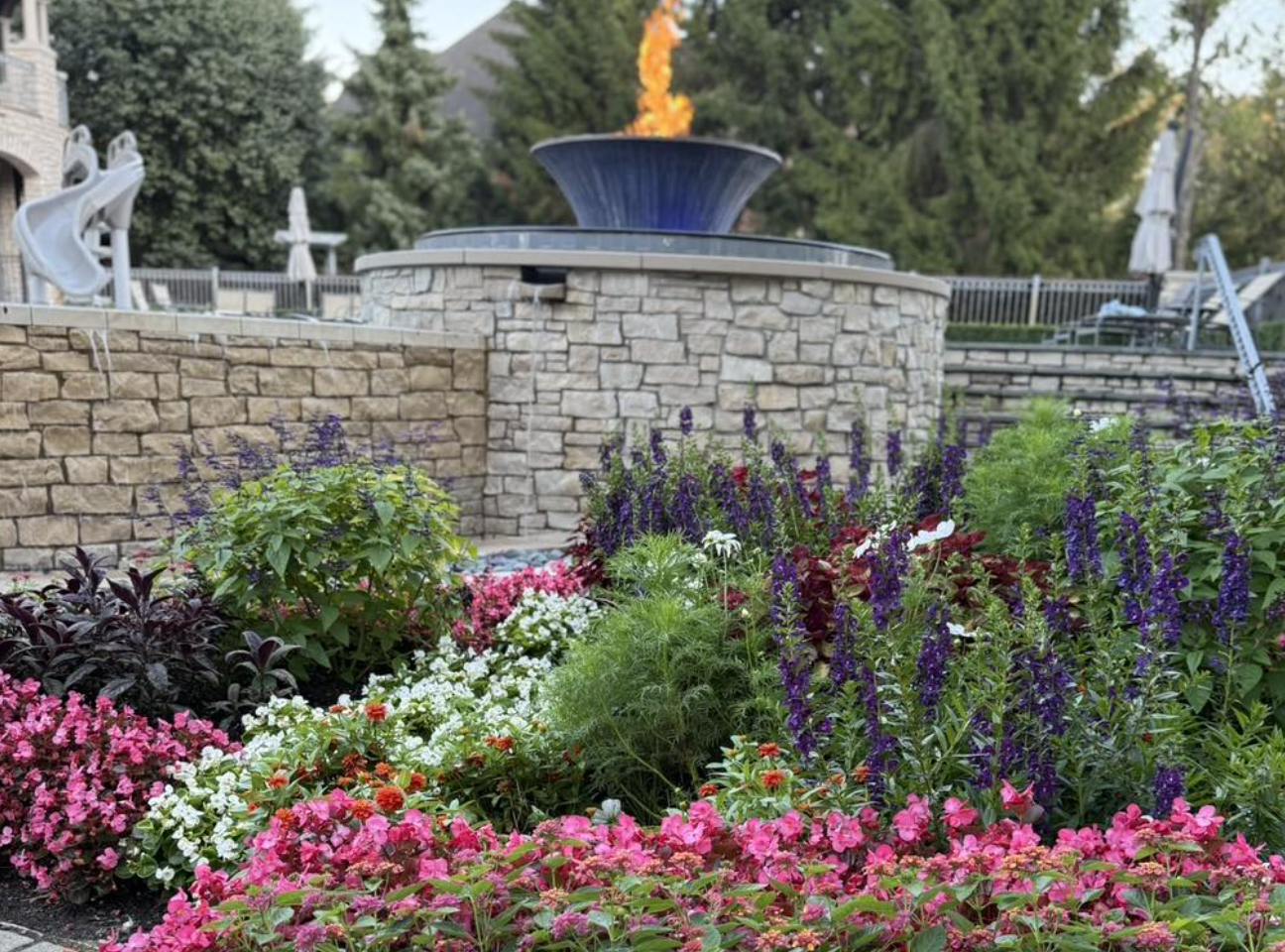
Spring is the season of fresh starts—and for your landscape, it’s one of the most important times of year. Done right, spring planting sets the tone for how your outdoor space will look and perform for months (and even years) to come.
At Robert Thomas Landscape Environments, we approach Michigan spring as more than just planting season. It’s an opportunity to thoughtfully design, build, and establish a landscape that feels cohesive, functional, and built to thrive.
Here are seven essential tips to guide a successful spring landscape.
1. Start With a Comprehensive Site Evaluation
Every great landscape begins with a deep understanding of the property. Before any planting begins, it’s important to evaluate:
Soil conditions
Drainage patterns
Sun exposure
Existing vegetation
This step ensures every plant is placed intentionally—where it has the best chance to thrive long-term. A well-planned site strategy prevents costly issues and creates a more sustainable landscape from day one.
2. Choose the Right Plants for the Right Place
Plant selection is one of the most important decisions in any landscape. A cohesive design depends on choosing species that not only look good together, but also perform well in your environment.
Native and climate-adapted plants are often the best choice. They require less maintenance, use less water, and establish more reliably—resulting in a landscape that looks better with less effort over time.
3. Build a Strong Foundation With Healthy Soil
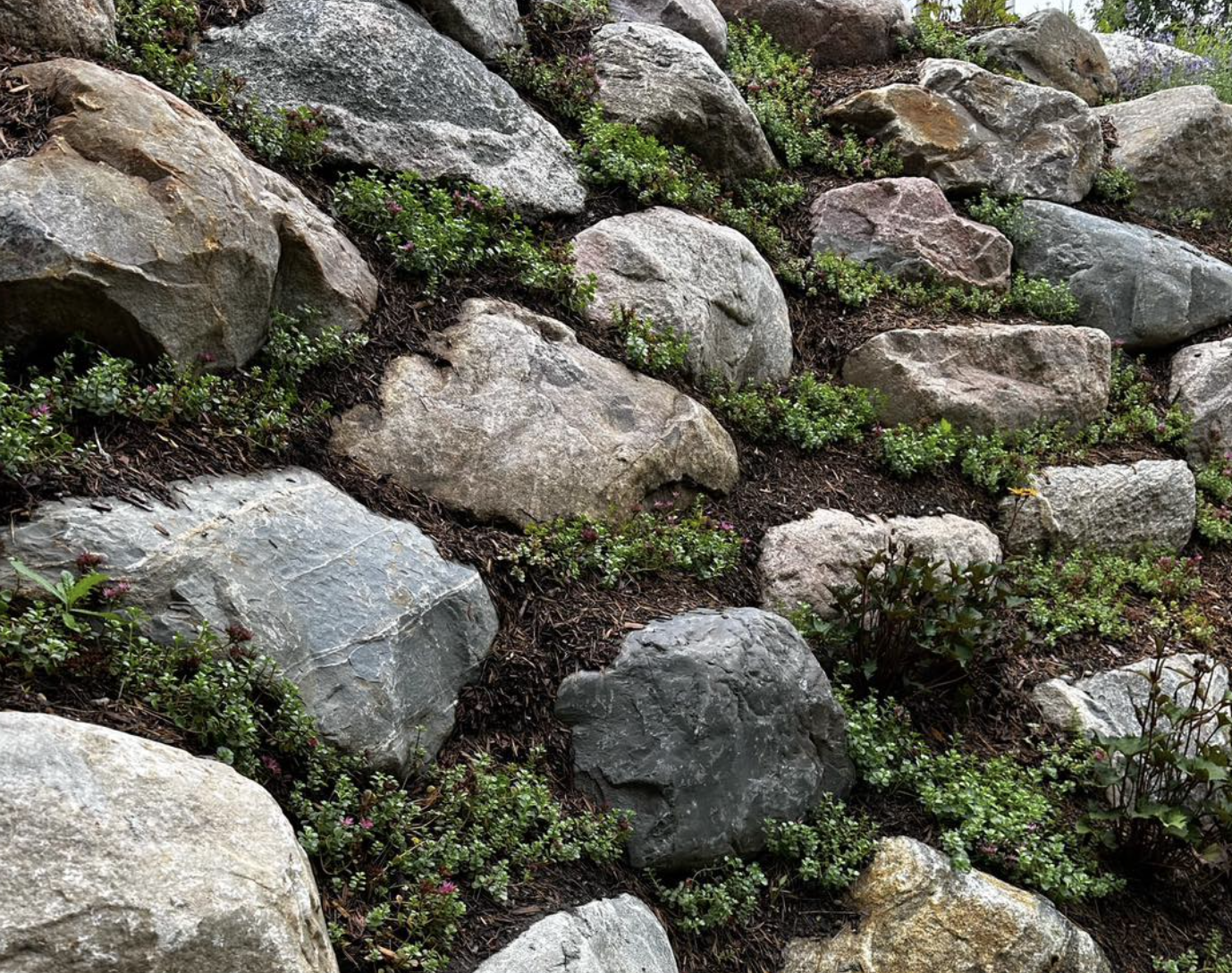
Healthy soil is the backbone of every successful landscape. Without it, even the best-designed planting plan will struggle.
Improving soil with organic matter—such as compost—enhances structure, drainage, and nutrient availability. A soil test can also reveal deficiencies, allowing for targeted improvements that support strong, consistent plant growth.
4. Design Garden Beds With Purpose
Garden beds should do more than just hold plants—they should define space, guide movement, and enhance the overall design of your property.
Clean edging creates clear boundaries and prevents turf from creeping into planting areas. Mulch not only improves appearance, but also helps retain moisture, regulate soil temperature, and reduce weeds.
Thoughtful bed design brings both structure and polish to your landscape.
5. Follow a Strategic Planting Schedule
Timing plays a key role in how well plants establish.
Early spring is ideal for hardy perennials and cool-season plantings
Late spring is better suited for annuals and more temperature-sensitive plants
A well-planned schedule ensures each plant goes in the ground under the right conditions—reducing stress and improving long-term performance.
Working with a professional team also ensures proper follow-up care, so your investment continues to grow and thrive without constant oversight.
6. Plan for Efficient Irrigation
Water management is critical, especially during the establishment phase.
An automated irrigation system takes the guesswork out of watering by delivering consistent moisture tailored to different planting zones. This not only supports plant health, but also conserves water and simplifies maintenance for homeowners.
7. Think Beyond Planting With Ongoing Care
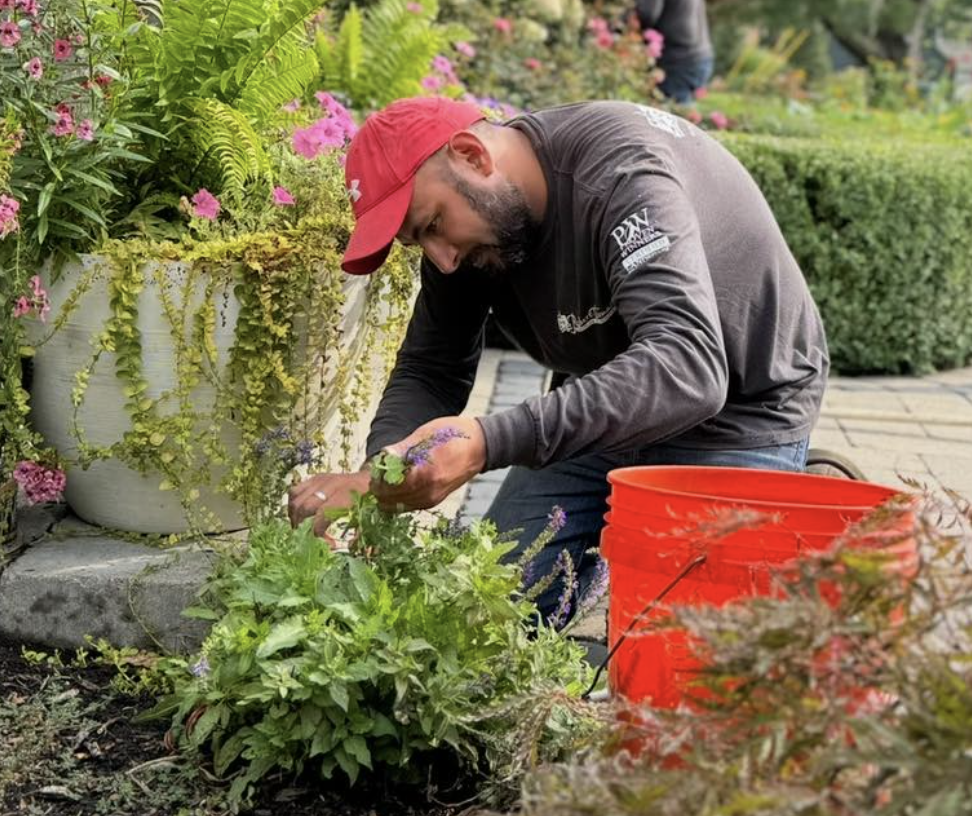
A successful landscape doesn’t end once installation is complete. Ongoing care is what keeps it looking and performing at its best.
Seasonal pruning, plant health monitoring, and routine maintenance all play a role in preserving your investment. While some tasks can be handled on your own, partnering with a professional team ensures your landscape continues to evolve as intended.
A Smarter Approach to Spring Landscaping
Spring planting is about more than adding color—it’s about creating a landscape that works as a whole. From site evaluation to long-term care, every decision impacts how your outdoor space looks, feels, and functions.
At Robert Thomas Landscape Environments, we take a comprehensive approach to every project—blending design, craftsmanship, and horticultural expertise to create landscapes that stand the test of time.
