

The Hidden Costs of Hiring Multiple Landscape Contractors in Michigan
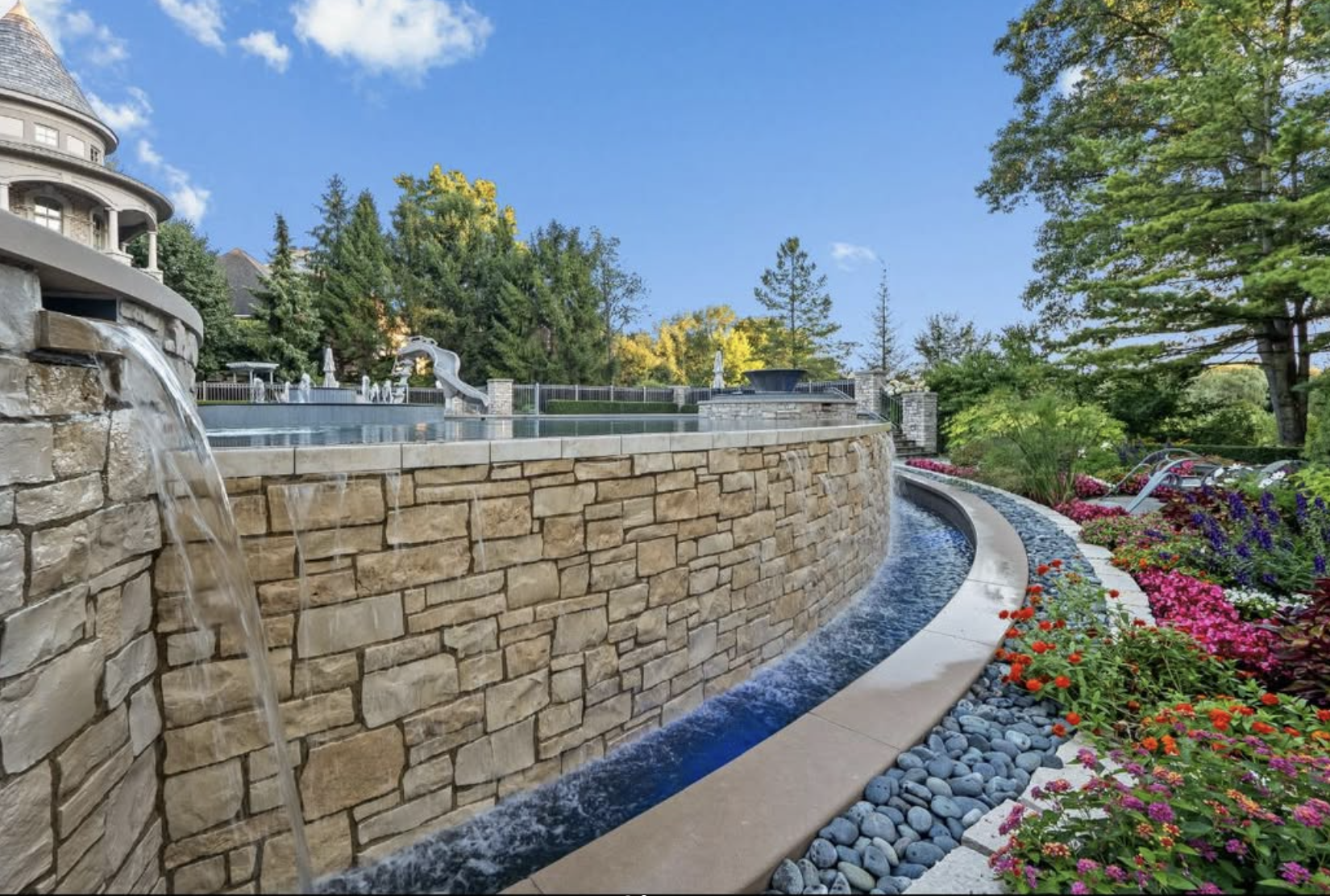
Creating a beautiful outdoor environment often involves many moving parts, including landscape design, grading, drainage, hardscaping, planting, irrigation, lighting, and ongoing maintenance. Hiring a different contractor for each part of the project may seem like a practical way to compare pricing and control costs.
In reality, managing several independent contractors can create unexpected delays, added expenses, and a lot more responsibility for the homeowner.
For larger or more complex landscape projects, working with one experienced design-build team can provide a smoother process, clearer accountability, and a more cohesive finished environment.
You Become the Project Manager
Each contractor typically manages their own crew, schedule, and specific scope of work. What they may not manage is how their work connects with every other part of the project.
That responsibility often falls to the homeowner.
You may find yourself coordinating schedules, sharing information between contractors, answering installation questions, and making sure one phase is completed before the next crew arrives.
For example:
The patio installer may need final information from the pool contractor.
The landscape lighting team may need finished grading elevations.
The planting crew may be unable to begin until hardscape installation is complete.
Irrigation lines may need to be installed before walkways or planting beds are finished.
Each step depends on the others. Without one team overseeing the complete project, even a small communication issue can disrupt the entire schedule.
Gaps Between Contractors Can Increase Costs
Separate contractor proposals are usually written around narrowly defined scopes of work. This can leave important tasks unassigned.
Questions may arise once construction begins:
Who is responsible for repairing the lawn around a new patio?
Who prepares the soil next to the hardscape?
Who adjusts drainage after excavation changes the grade?
Who coordinates electrical, irrigation, and lighting beneath paved areas?
Who restores areas disturbed by another contractor?
When these details are not included in anyone’s original proposal, they often become additional costs.
These gaps do not necessarily mean a contractor has done anything wrong. They are frequently the result of several companies planning their work independently rather than working from one comprehensive landscape plan.
Delays Can Create Additional Expenses
Outdoor construction must happen in a carefully planned sequence. When one contractor falls behind, every contractor scheduled afterward may also need to adjust.
Crews may already be committed to other projects and unable to return immediately. Rescheduling can result in extended timelines, additional mobilization charges, or work being completed out of sequence.
Materials may also sit unused on the property, planting schedules may be pushed into less favorable weather, and unfinished areas may be exposed to erosion or drainage issues.
With an integrated design-build team, the entire schedule is managed as one coordinated process. Adjustments can be made across crews without requiring the homeowner to renegotiate several separate timelines.
Accountability Can Become Unclear
When a problem involves more than one area of the landscape, determining responsibility can be challenging.
Consider a drainage issue near a new patio. The problem could relate to the original grading, patio installation, downspout connections, planting-bed elevations, or irrigation work. When each part was completed by a different contractor, every company may reasonably believe the issue falls outside its scope.
The homeowner can then become responsible for determining what went wrong, deciding who should correct it, and potentially paying for repairs while the contractors sort out responsibility.
A single design-build partner provides one point of accountability. Instead of navigating several contracts and opinions, the homeowner has one team responsible for understanding the complete environment and developing a solution.
The Design May Feel Disconnected
A successful landscape should feel intentional. Materials, plants, structures, lighting, water management, and outdoor living features should work together visually and functionally.
When individual contractors make decisions based only on their portion of the project, the finished landscape can feel fragmented.
Paver colors may not complement architectural materials. Planting beds may conflict with drainage requirements. Lighting may be added after construction instead of being thoughtfully integrated. Outdoor features may look attractive individually but fail to create a unified experience.
A comprehensive landscape plan allows every element to support the same design vision.
Long-Term Performance May Be Overlooked
A landscape is not complete the day installation ends. Plants mature, materials weather, drainage patterns change, and outdoor living spaces require ongoing care.
Decisions made during design and construction can significantly affect future maintenance.
Plants must be selected for the property’s soil, sunlight, drainage, and available space. Irrigation should support the landscape as it matures, not only when it is first installed. Hardscape materials should be properly prepared and maintained. Drainage systems must continue to perform through Michigan’s changing seasons.
When design, installation, and maintenance are disconnected, the team caring for the property may not understand the original design intent or technical decisions behind the project.
An integrated approach creates continuity from the first concept through long-term landscape care.
The Benefits of Working With One Landscape Partner
A full-service landscape design-build firm manages the outdoor environment as one interconnected system.
Designers, project managers, craftspeople, horticultural specialists, and maintenance professionals work from the same plan and toward the same result.
This approach provides:
One primary point of communication
A coordinated project schedule
Clearer budget management
Fewer gaps between scopes of work
Greater consistency in materials and craftsmanship
A more cohesive overall design
Clear responsibility when challenges arise
A plan for the long-term health of the landscape
Rather than managing several companies, homeowners can remain focused on the vision for their property while an experienced team manages the details.
Protecting Your Landscape Investment
Hiring multiple contractors can work well for small, clearly defined projects that do not overlap with other systems on the property.
For a complete outdoor transformation involving hardscaping, planting, grading, drainage, lighting, structures, pools, or other custom features, coordination becomes essential.
The lowest individual proposals do not always result in the lowest final project cost. Added management, schedule disruptions, scope gaps, and corrective work can quickly reduce the initial savings.
At Robert Thomas Landscape Environments, we approach each property as a complete environment. Our team brings design, construction, horticulture, and long-term care together to create outdoor spaces that are thoughtfully planned, expertly built, and designed to thrive.
Ready to begin planning your outdoor environment? Contact Robert Thomas Landscape Environments to schedule a consultation.
