

How to Phase Your Landscape Project the Right Way
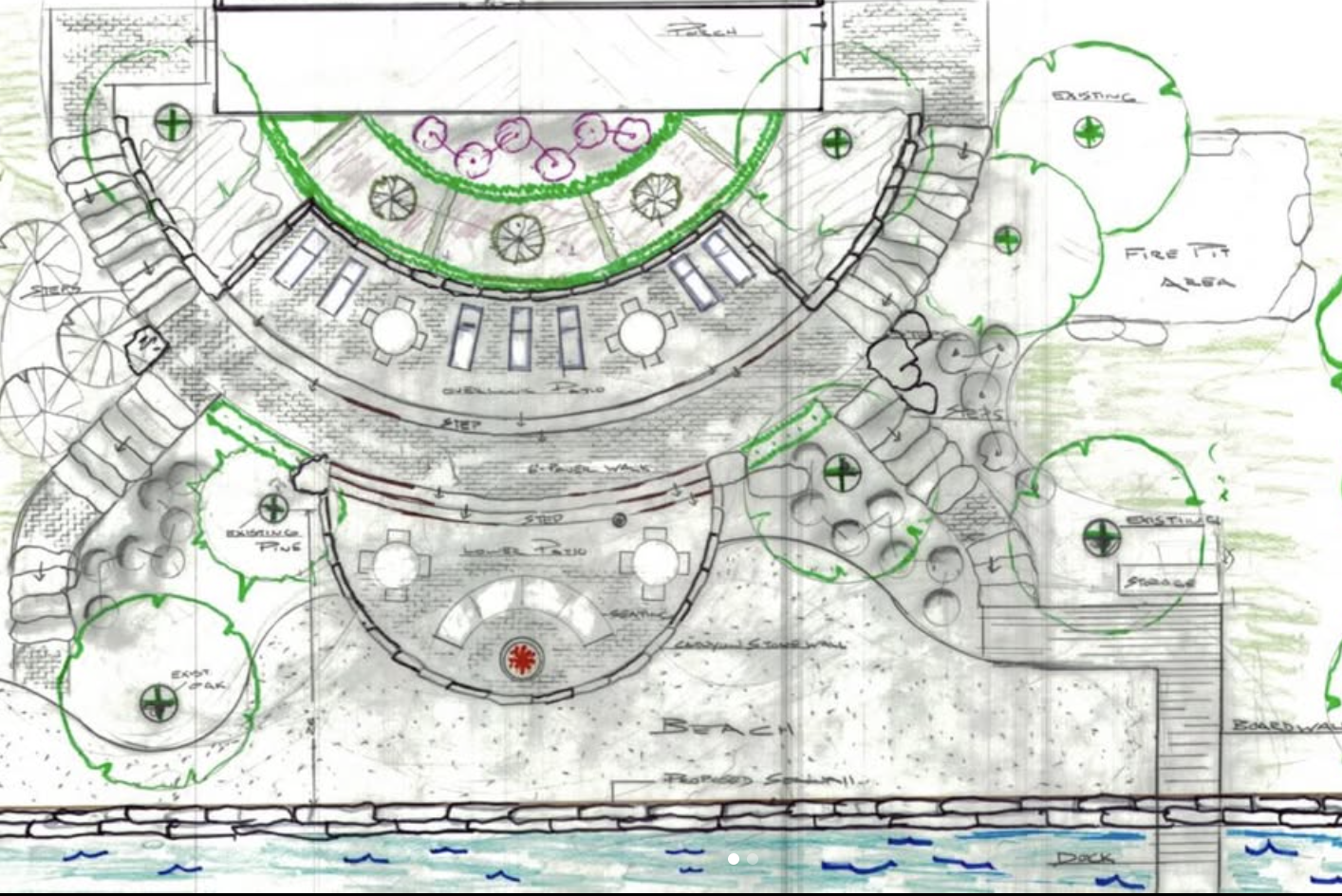
You do not have to build your entire landscape project all at once.
For many homeowners, phasing a project over time is a smart way to manage budget while still working toward a bigger vision. A patio, outdoor kitchen, pool area, garden, lighting, or full backyard transformation can all be completed in stages.
The key is making sure those stages are planned in the right order.
At Robert Thomas Landscape Environments, we help homeowners create phased landscape plans that feel organized, intentional, and built to last.
When Does Phasing Make Sense?
Phasing makes sense when you have a larger vision for your property but want to spread the investment over time.
Maybe you want a complete outdoor living space, but you are not ready to do everything at once. Instead of giving up on the full vision, you can build it in steps.
A phased project may happen over two, three, or more stages. Each phase should feel useful on its own while still supporting the final design.
Why You Should Plan the Full Project First
Planning the full project upfront does not mean you have to build everything right away. It simply gives you a clear roadmap.
When you know where the project is headed, you can make smarter decisions in phase one. You can plan for future patios, structures, plantings, lighting, drainage, and utilities before construction begins.
Without a full plan, one phase can accidentally create problems for the next.
Why the Order Matters
The order of work is one of the most important parts of a phased landscape project. What you want first and what should happen first are not always the same.
For example, you may want to start with new planting beds. But if a future phase requires heavy equipment to reach the backyard, those new plantings could be damaged during construction.
In most cases, the larger construction work should happen before the finishing touches.
That means grading, drainage, utilities, patios, walls, structures, and major hardscape should usually come before planting, lighting details, and final landscape finishes.
What Can Go Wrong Without Proper Sequencing?
When a phased project is built in the wrong order, it can lead to extra costs and delays.
Common issues include:
Plantings getting damaged during later construction.
Drainage needing to be redone.
Patios or walkways being cut open for utilities.
Hardscape getting damaged by equipment.
Future access routes being blocked.
These problems can often be avoided with the right plan from the beginning.
What Should Be Planned Early?
Some of the most important work in phase one may be work you do not immediately see.
This can include:
Running conduit for future lighting or audio.
Adding sleeves under patios for future utilities.
Preparing footings for a future pergola or pavilion.
Solving drainage for the whole property.
Setting final grades.
Keeping access open for future phases. These early decisions can make future phases easier and more cost-effective.
How Phasing Helps With Budget
Phasing allows you to invest in your outdoor space over time.
You can start enjoying part of your yard now while continuing to build toward the full vision later. It also gives you time to live with the space and decide what matters most before moving into the next phase.
The goal is not to make the project feel unfinished. The goal is to make each phase feel complete while still moving toward the larger plan.
Why a Conceptual Plan Helps
A conceptual plan shows the overall vision for the property.
It does not need to include every small detail for every future phase. But it should show where major features may go, such as patios, outdoor kitchens, fire features, structures, planting areas, lighting zones, and walkways.
This helps make sure phase one is designed with the future in mind.
Work With a Landscape Team That Understands Phasing
A phased landscape project has a lot of moving parts. Budget, design, drainage, access, utilities, hardscape, and planting all need to work together.
At Robert Thomas Landscape Environments, we help homeowners decide what should happen first, what can wait, and what should be prepared early to support future work.
A phased project should not feel pieced together. It should feel thoughtful from start to finish.
Build Your Outdoor Space Over Time
Phasing is a smart way to create your dream outdoor space without doing everything at once.
But the sequence matters. With the right plan, each phase can protect your investment, reduce unnecessary rework, and bring you closer to a finished landscape that feels beautiful, functional, and connected.
If you are thinking about a phased landscape project, Robert Thomas Landscape Environments can help you create a plan that works now and supports what comes next.
