

First-Year Paver Patio Maintenance: A Michigan Homeowner’s Guide
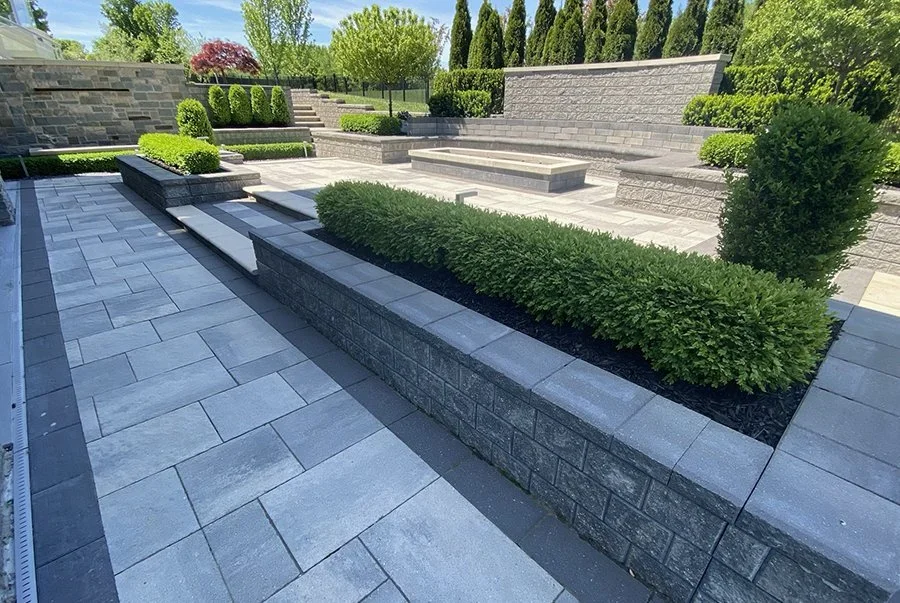
Your new paver patio should give you more reasons to step outside, not another long list of things to worry about. Fortunately, protecting it during the first year is mostly a matter of paying attention and building a few simple habits.
Michigan weather will introduce your patio to heavy rain, summer gatherings, falling leaves, snow, ice and repeated freeze-thaw cycles. As the space settles into everyday life, you will begin to see where debris collects, how water moves and which areas receive the most use. Knowing what is normal and addressing small concerns early can help your patio remain beautiful, comfortable and ready for years of memories.
Three Key Takeaways
Pay attention to patterns. After heavy rain and seasonal changes, look for recurring standing water, joint sand loss or movement along the patio edges.
Small habits protect your investment. Regular sweeping, quick spill cleanup and keeping mulch and soil out of the joints can prevent many common problems.
Care for the patio as part of the full landscape. Drainage, planting beds, retaining walls and seasonal maintenance all affect how a hardscape performs over time.
Why the First Year Matters
A paver patio is built as a system. The compacted base, bedding material, pavers, edge restraints, joint sand and surrounding drainage all work together to create a stable surface. When the patio is properly designed and installed, it should stand up to regular use and Michigan’s changing seasons.
The first year is when that system moves from freshly completed to fully lived in. Furniture is arranged, grills are rolled into place, guests gather and the patio experiences its first full cycle of rain, heat, leaves, snow and spring thaw. Small changes do not necessarily indicate a problem, but the first year gives you a helpful baseline for understanding how your patio performs.
What Is Normal After a New Paver Patio Installation?
New patios can show a few minor changes during the first several months. You may notice:
Slight settling of joint sand after rain
Dust, pollen or organic debris collecting in certain areas
Color variations when the pavers are wet, dry, shaded or covered with morning dew
Light marks from furniture feet that disappear with routine cleaning
Temporary stains when wet leaves or plant material sit on the surface
You may also see a white, powdery film on concrete pavers. This is often efflorescence, a natural occurrence caused when water-soluble salts move to the surface. It is typically cosmetic and may fade over time. Before attempting to remove it, ask your installer about the correct timing and cleaning method for your particular paver.
What deserves closer attention is a pattern that continues or becomes more noticeable. Recurring standing water, deep joint sand loss, spreading gaps, loose pavers or shifting edges should be evaluated by a hardscape professional.
The First Month: Keep Care Simple
During the first month, use your patio normally and focus on keeping the surface clean.
Sweep away leaves, grass clippings, soil and mulch before they break down and settle into the joints. Clean spills when they happen, especially grease, wine, sauces and other materials that can stain. Blot the spill first, then use water and a mild cleaner approved for the paver material.
Avoid aggressive pressure washing unless your installer recommends it. A concentrated stream can displace joint sand or leave visible cleaning marks. For everyday care, a garden hose, soft-bristle broom and paver-safe cleaner are usually all you need.
This is also a good time to notice how the finished patio connects to the rest of the yard. Soil and mulch should remain in the planting beds, and roof runoff or irrigation should not continually wash across the surface.
Months Two Through Six: Watch the Joints, Edges and Drainage
As the patio receives more use, pay closer attention to three areas.
1. Joint sand
Joint sand helps lock the individual pavers together. A small amount of settling can occur, especially after rain, but the joints should not remain deeply recessed or empty. Open joints make it easier for debris and seeds to collect and may allow insects to disturb the sand.
If the same joints repeatedly lose material, do not simply keep adding sand. The cause may be runoff, cleaning methods, slope or another condition that should be corrected first.
2. Patio edges
The edges help keep the entire surface contained. Watch for soil washing away, mulch repeatedly spilling onto the patio or pavers beginning to separate near the perimeter. Minor landscape adjustments are easier to make before movement becomes more pronounced.
3. Drainage
After a heavy rain, take a quick walk around the patio. Water should move away from the house and should not repeatedly collect in the same low areas. Also check nearby planting beds, downspouts and retaining walls for signs of erosion or runoff.
Good drainage protects more than the patio. It supports nearby plants, helps preserve the base beneath the pavers and makes the entire outdoor space more comfortable to use.
How to Clean a Paver Patio Without Damaging It
The safest approach to routine paver patio maintenance is to begin with the gentlest method.
Sweep away loose dirt, leaves and debris.
Rinse the surface with a garden hose.
Use a soft-bristle broom and a mild, paver-safe cleaner where needed.
Rinse thoroughly, moving dirty water toward the patio’s drainage path.
Organic material can hold moisture against the surface and cause staining, especially in shaded areas. Food and grease should be addressed quickly rather than allowed to soak in.
Avoid mixing cleaning chemicals or using harsh products without checking the paver manufacturer’s guidance. Natural stone and manufactured concrete pavers can require different care. If the patio needs deeper cleaning, sanding or sealing, Robert Thomas Landscape Environments offers professional landscape maintenance services that can address the patio alongside the rest of the property.
Should You Seal a New Paver Patio During the First Year?
Sealing can enhance color, make routine cleaning easier and help protect some paver surfaces from stains. However, not every patio needs to be sealed, and timing matters.
The right decision depends on the paver material, manufacturer guidance, joint sand, weather conditions and the finish you want. The surface must be clean and completely dry before a sealer is applied. Sealing too soon or applying the wrong product can trap moisture, create a cloudy appearance or change the color and sheen more than expected.
Treat sealing as a planned maintenance decision rather than a quick weekend project. A professional can determine whether the patio is ready and coordinate cleaning, joint sand replacement and sealing so the finished surface looks consistent.
Seasonal Paver Patio Maintenance in Michigan
Each Michigan season brings a different maintenance priority.
Spring: Inspect and refresh
Once the snow is gone, remove leftover debris and look for joint sand loss, edge movement or drainage changes. Spring is a good time to clean the surface before putting furniture and planters back in place.
Summer: Stay ahead of spills and heavy use
Grills, pool traffic, pets, sunscreen, food and drinks can all leave their mark. Sweep regularly and clean spills quickly. Place saucers or risers beneath planters so moisture and soil do not remain trapped against the pavers.
Fall: Remove leaves before they stain
Wet leaves can discolor pavers, particularly in shaded areas and around steps or seat walls. Sweep frequently, keep drains and patio edges clear, and check how water moves before winter arrives.
Winter: Protect the surface from snow and ice
Use a plastic or rubber-edged shovel when possible to reduce the chance of scratching or chipping the surface. Avoid striking the pavers with metal tools to break up ice. Before applying a deicer, follow the paver manufacturer’s recommendations or ask your hardscape professional which products are appropriate for your specific material.
What About Weeds and Ants Between Pavers?
Weeds between pavers are often caused by seeds that blow into the joints and take root in accumulated dirt and organic debris. They are not necessarily growing up through the entire patio base. Regular sweeping helps remove the material seeds need to grow.
Ants can also move joint sand. A few ants outdoors are normal, but recurring sand piles or visibly hollow joints deserve attention. If joint material continues to disappear after being restored, the patio may need a closer inspection.
When Should You Call a Professional?
Homeowners can handle routine tasks such as sweeping, rinsing, moving planters and cleaning small spills. Call a professional if you notice:
Standing water that returns after most storms
Significant or repeated joint sand loss
Loose, rocking or uneven pavers
Edges that appear to be spreading or shifting
Persistent stains or surface discoloration
Soil erosion or washout near the patio
Drainage patterns that have changed
Addressing a small concern early can often prevent it from affecting a larger area.
Your Patio Is Part of a Bigger Picture
A patio rarely stands alone. It connects to walkways, planting beds, retaining walls, drainage, lighting and other outdoor living features. Each part affects how the others look and perform.
That is why long-term care should be part of the design and installation conversation from the beginning. A team that understands the full property can maintain the original design intent while watching for the small details that protect your investment.
For more than 50 years, Robert Thomas Landscape Environments has helped Michigan homeowners design, develop and maintain outdoor spaces made for real life. Whether you need guidance on a newly installed patio or want to create a complete outdoor living environment, our team is ready to help.
Book a phone consultation to talk about your patio, landscape or next outdoor project.
